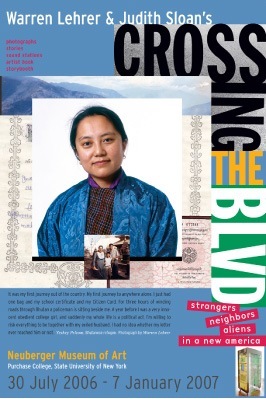
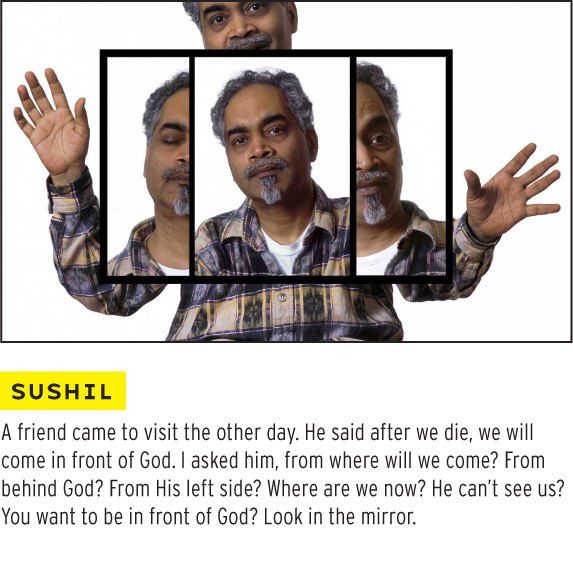
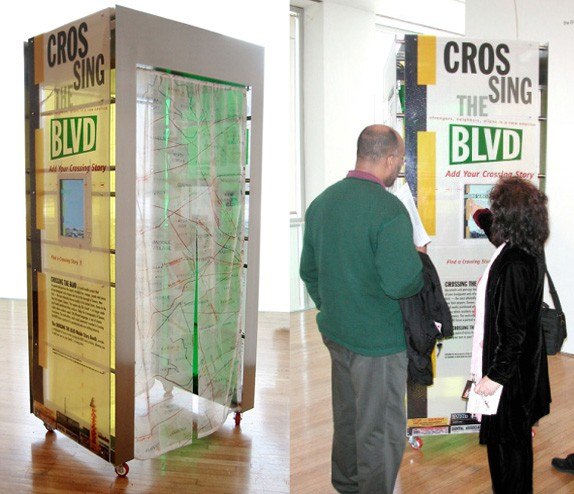
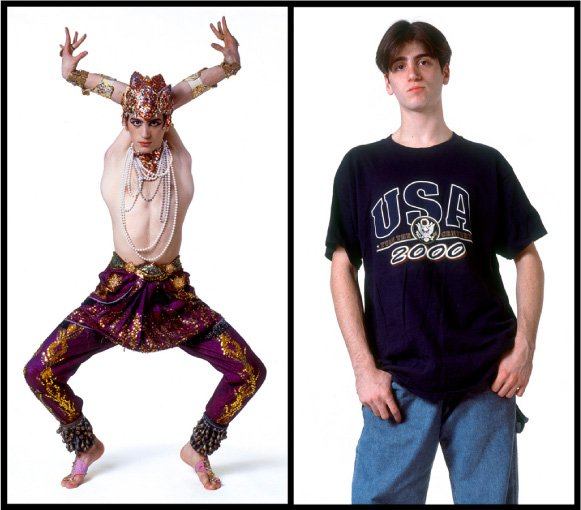
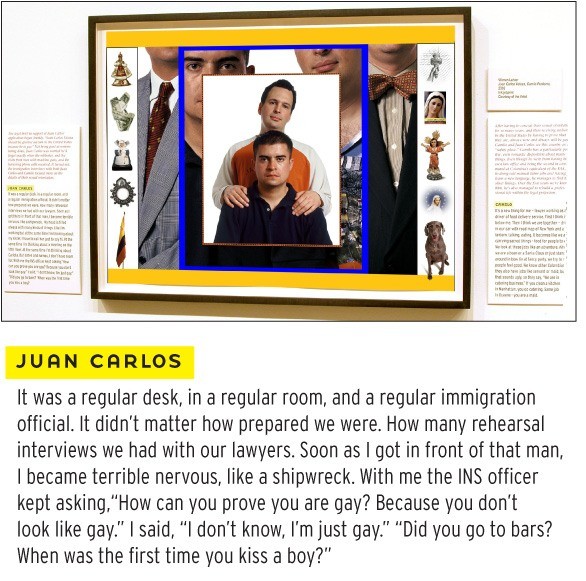
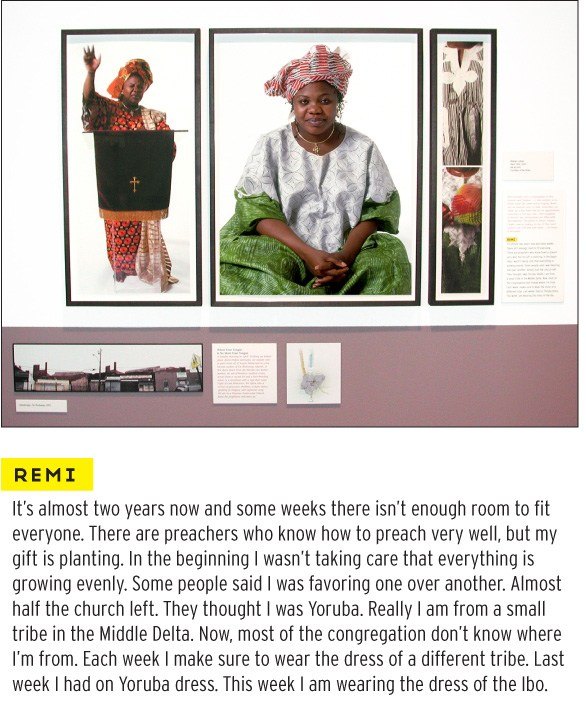
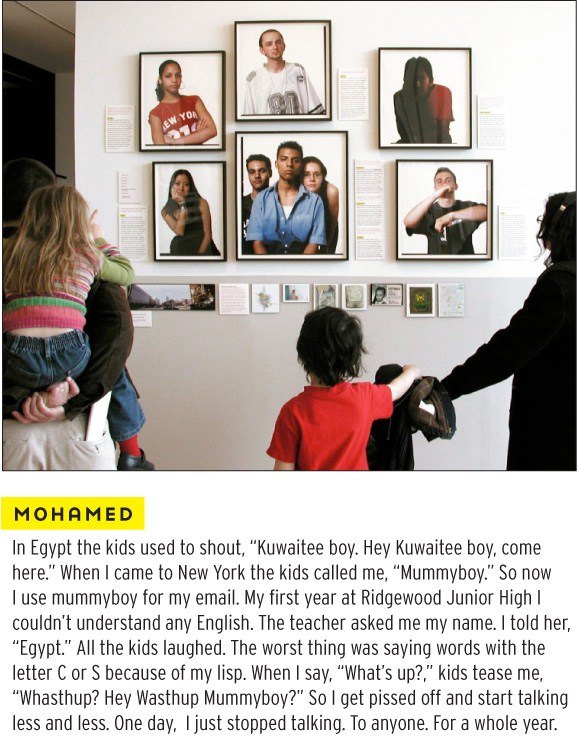
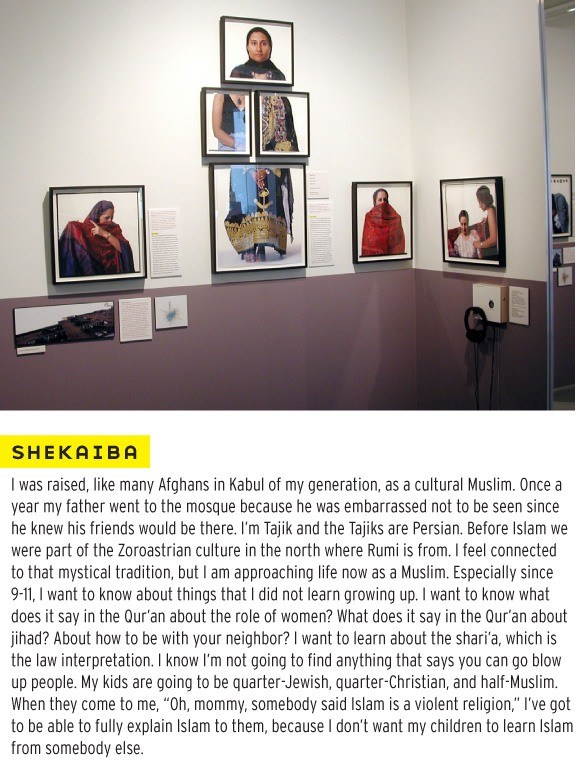
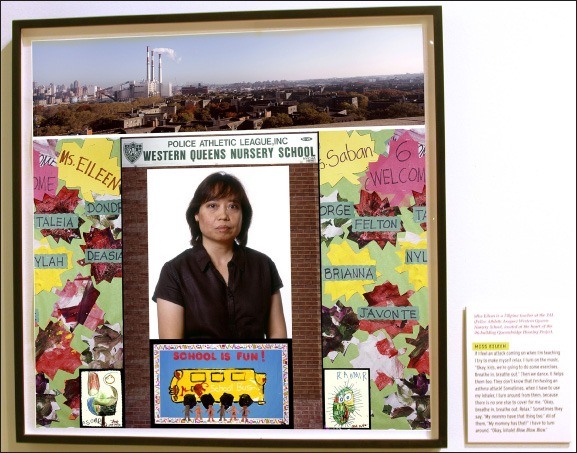
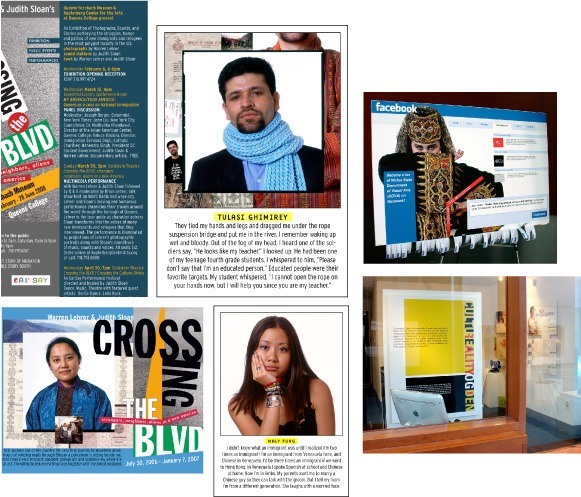
 The Crossing the BLVD traveling exhibition of photographs, sounds, and stories uses the tools of contemporary art to create a multimedia experience reflecting the changing face of America. 90 photographic portraits by Warren Lehrer portray the pride, beauty, struggle and colorful humanity of individuals who have crossed through war zones, borders, oceans, and cultural divides. Portraits are paired with short narrative excerpts of the subject’s monologues; contextual maps of the country or countries of origin overlaid with maps of Queens neighborhoods; panoramic landscapes of neighborhoods and images of important objects that Crossing participants carried from home to home. Audio sound stations produced by Sloan enable visitors to hear the voices, sounds and music of those portrayed in the exhibition. An ambient soundscape of people praying, voices on the streets, found and composed music, bring visitors into this crossroad of the world upon entering the exhibition. The Crossing the BLVD Mobile Story Booth invites exhibition visitors to contribute their photographs and their own (or their parent’s or grandparent’s) migration stories to the Crossing the BLVD online collection of first-person narratives recounting immigration experiences of Americans. The exhibition premiered at the Queens Museum of Art in 2004 and has traveled to 15 locations in the United States including The Maryland Institute College of Art, The Hudson Museum in Orono Maine, Weber State University in Utah, and in 2011, the exhibition traveled to Ohio State University, and Rutgers, New Jersey and Tyler Art Gallery at SUNY Oswego.
about booking the Exhibition
Watch the Video Trailer Here
Crossing the BLVD traveling museum exhibition from EarSay Inc on Vimeo.

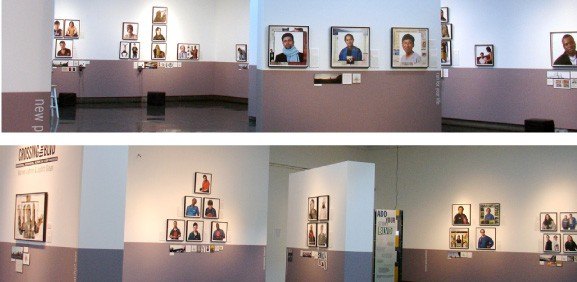

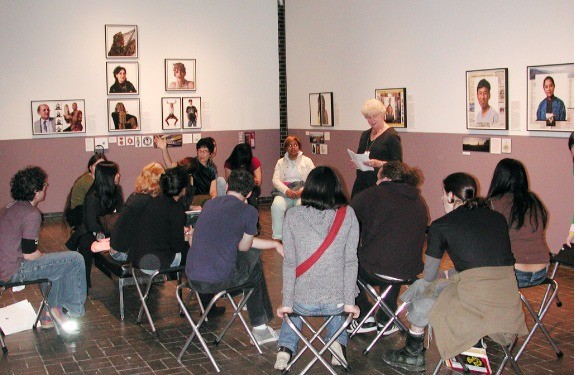
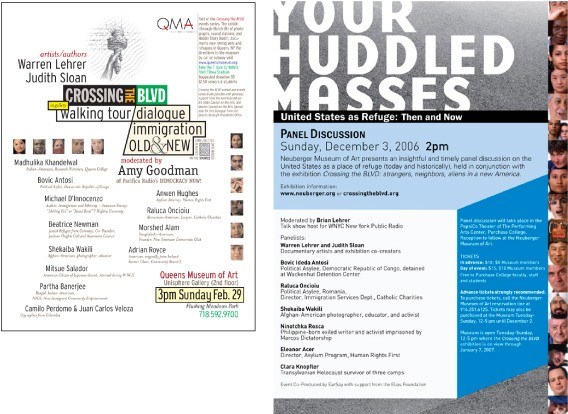
Creating Dialogue Across United States The Crossing the BLVD exhibition has traveled to universities and museums throughout the United States, opening up dialogues across cultural boundaries through public events, panel discussions, lectures, and worksops. Themes and topics have included: • Immigration: Old and New • Impact of Post 9/11 Laws • Refugee and Human Rights • Cross-Cultural and Cross-Religious Dialogues/ Race and Immigration • U.S. Foreign Policy, War/Peace and Immigration • Art and Social Change The Crossing the BLVD exhibition provides an opportunity for collaboration with Universities, and local community organizations in the following areas: • Political Science, Anthropology, Sociology, Religion, Oral History • Asian Pacific American, Middle Eastern, Latino/a, Caribbean, Africana Studies • American/Ethnic/Cultural Studies • Performance/Media/Communication Studies • Photography/Visual Arts/Artist Books • Graphic Design/Music and Sound/Documentary
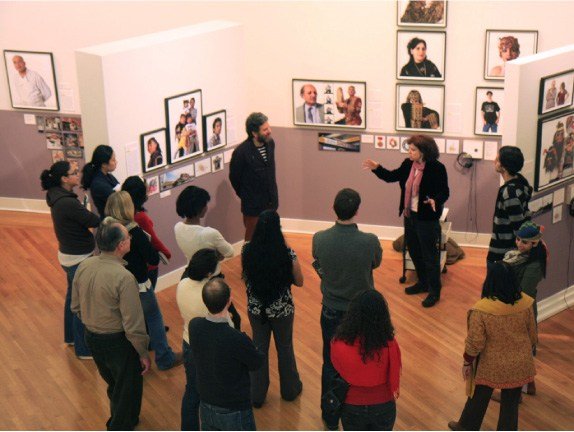
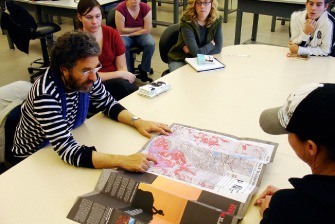 Warren Lehrer leads a workshop for design students who have created their own companion exhibition in conjunction with the Crossing the BLVD exhibition at Weber State University in Utah. The exhibition provides a template for students to do their own visual art, audio, and oral history projects on new immigrants and refugees.

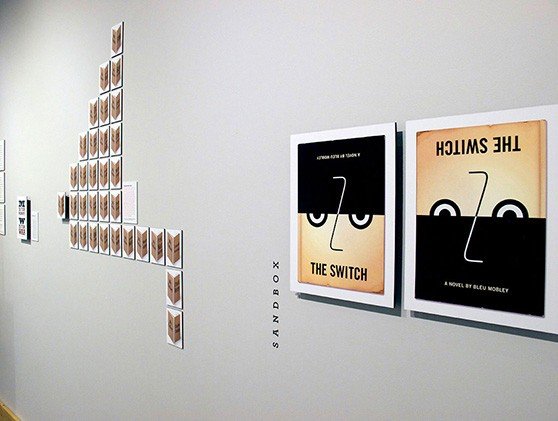
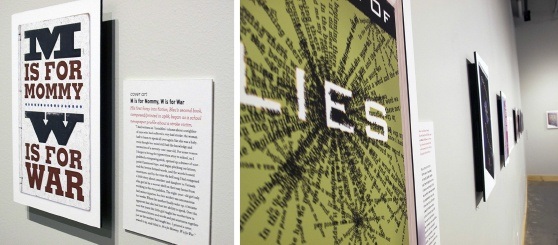
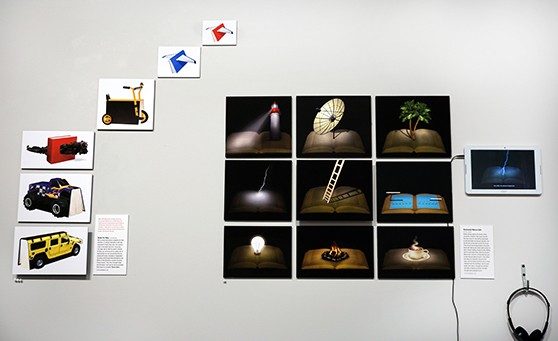
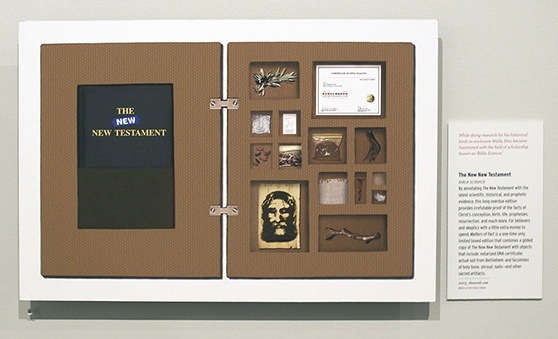
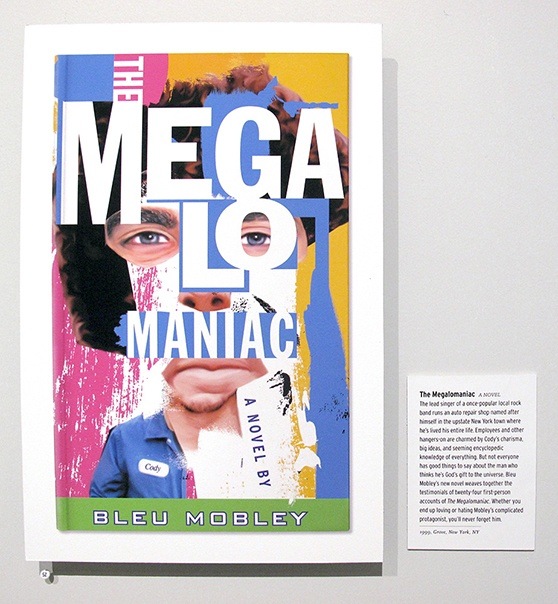
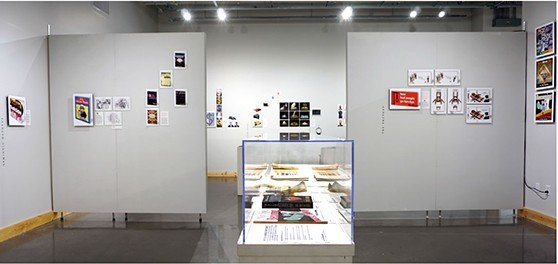
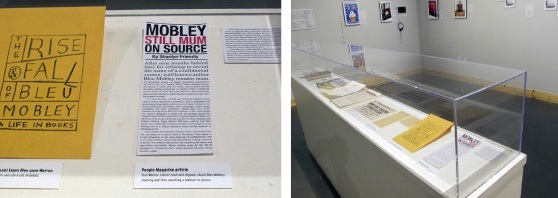
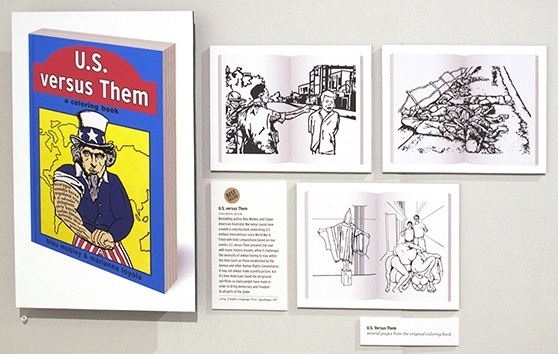
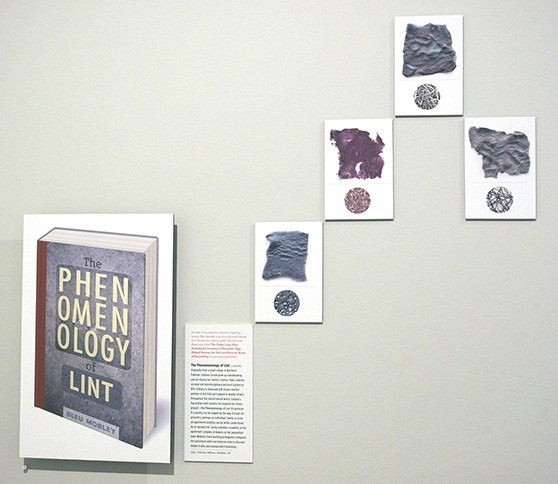
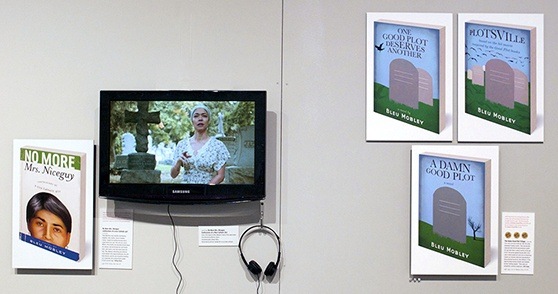
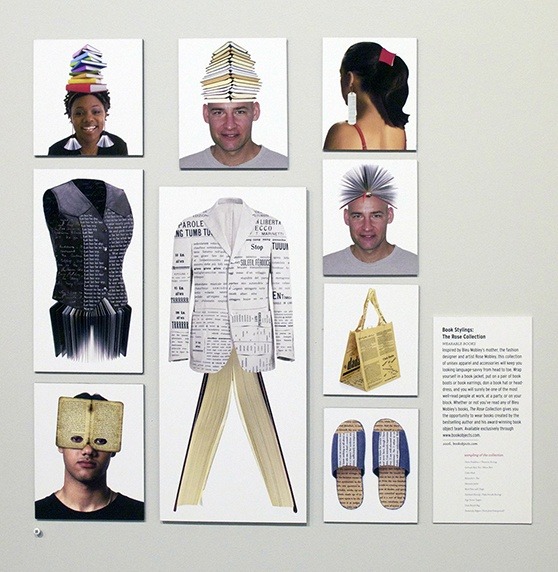
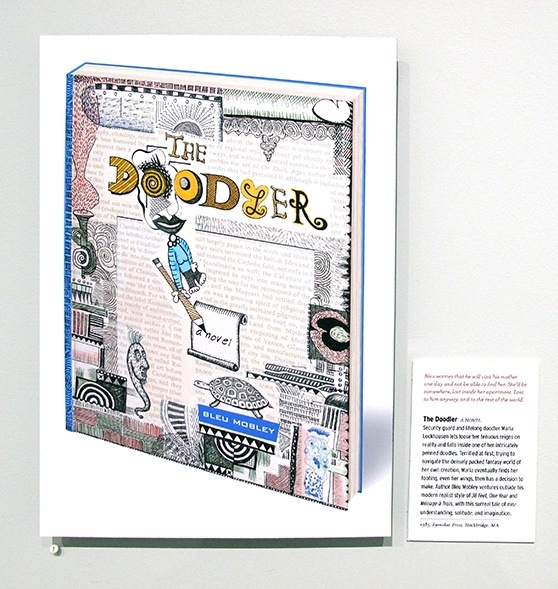
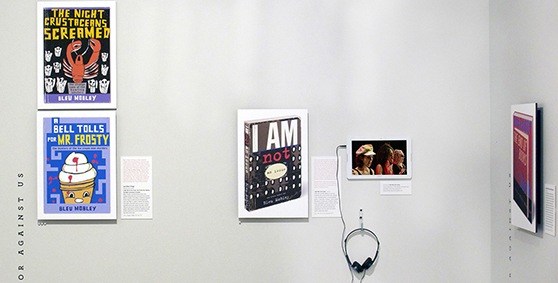
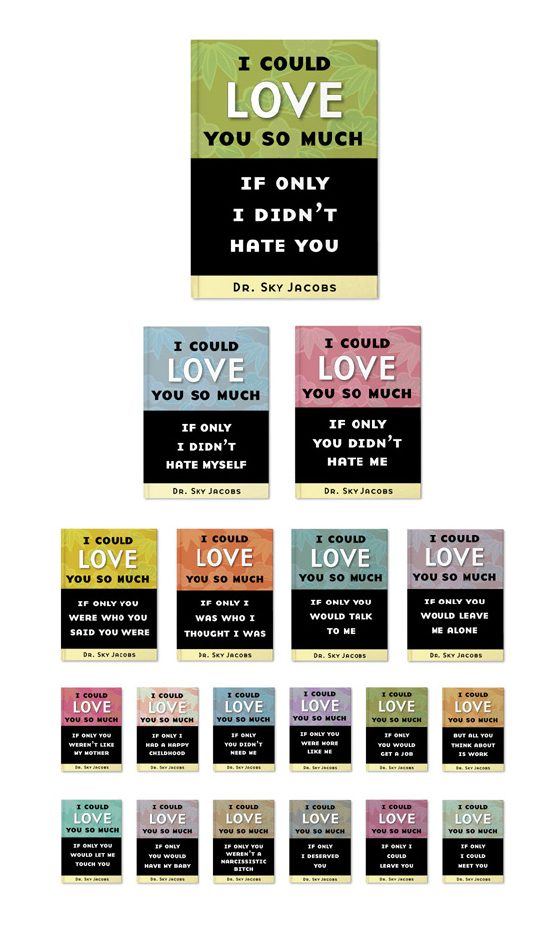
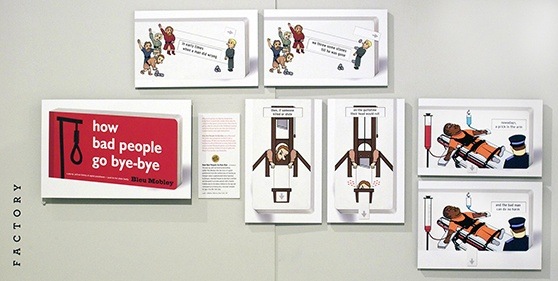
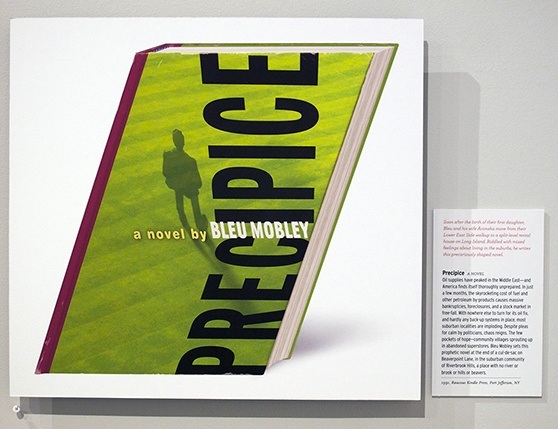
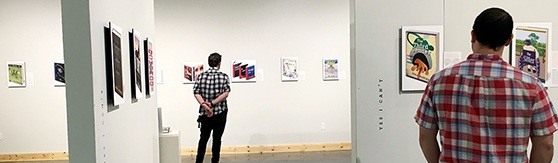
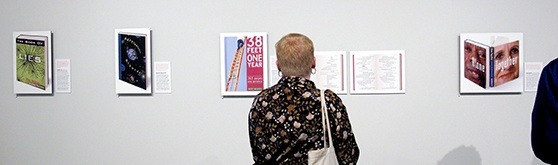
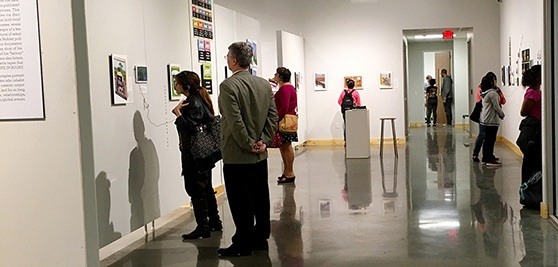
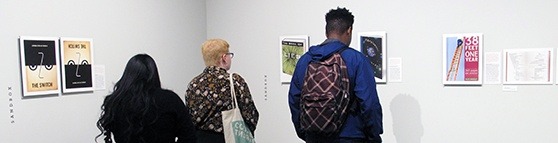
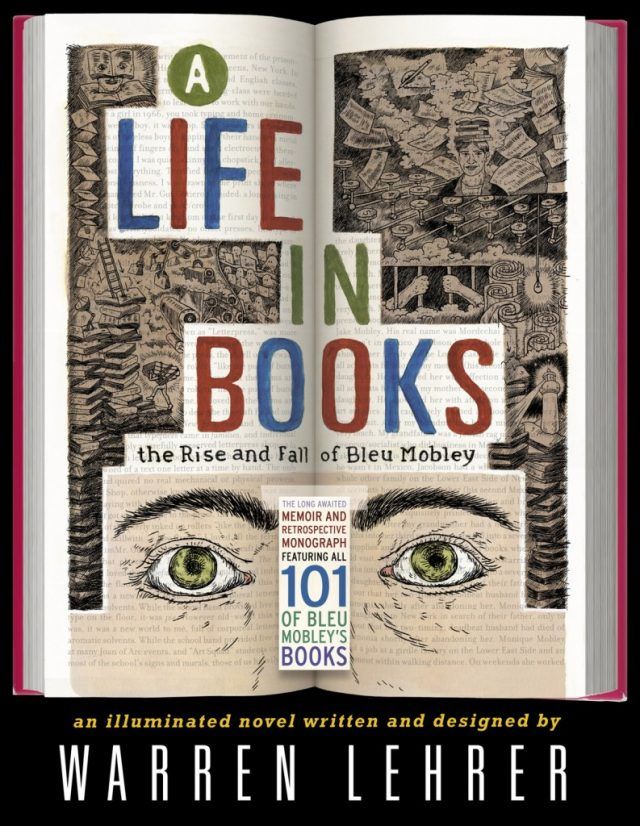 The A LIFE IN BOOKS traveling exhibition (based on Warren Lehrer’s awardwinning illuminated novel) presents itself as the first retrospective survey of the extraordinary publishing career of Lehrer’s protagonist, the prolific and controversial author/book visionary Bleu Mobley. It includes all 101 “first edition” cover designs accompanied by “original” catalogue descriptions (with brief background information based on revelations made in A LIFE IN BOOKS). It also includes Mobley’s earliest books, “composed” in the letterpress shop of his junior high school, as well as “reproductions” of select interior spreads, Mobley’s book-like objects such as the illuminated book lamps, the book toys, toilet paper poetry roll, book clothing and accessories, and the Flying Book Project. There are videos of filmed performances (of Bleu Mobley book excerpts), and animations of pop-up books, and ‘spots’ featuring individual Bleu Mobley titles. There are also artifacts such as letters, notebooks, flyers, articles, and the actual microcassette tapes that became the narrative foundation of A LIFE IN BOOKS. The book serves as an exhibition catalogue. (The Exhibition Award from the College Book Art Association was given particularly for the way “video is used as an extension of the printed book.”)